RSS

I have sold a property at PH4 4353 HALIFAX ST in Burnaby

I have sold a property at PH4 4353 HALIFAX ST in Burnaby on Feb 8, 2023. See details here

Amazing unobstructed 180 degree mountain, city & water view! Welcome to This 1,162 sq.ft., 2 bedroom Penthouse with huge balcony to enjoy the sweeping westerly, southern and northern views! The spacious living room and dining room and both large bedrooms all have access to the 706 sq ft outdoor retreat that takes full advantage of the gorgeous views. The kitchen features granite counter tops and stainless steel appliances. The primary bedroom has a 4 piece ensuite bath. 2nd bath has walk in shower. Oak hardwood floors throughout entire unit. Baths and kitchen have neutral tile floors. Bonus 2 parking stalls, storage locker & insuite laundry! Just steps to the Brentwood Town Centre & skytrain, whole Foods & More! Huge Patio that expands along the full unit with fantastic views!

Read

New property listed in Mount Pleasant VE, Vancouver East

I have listed a new property at 203 550 7TH AVE E in Vancouver. See details here

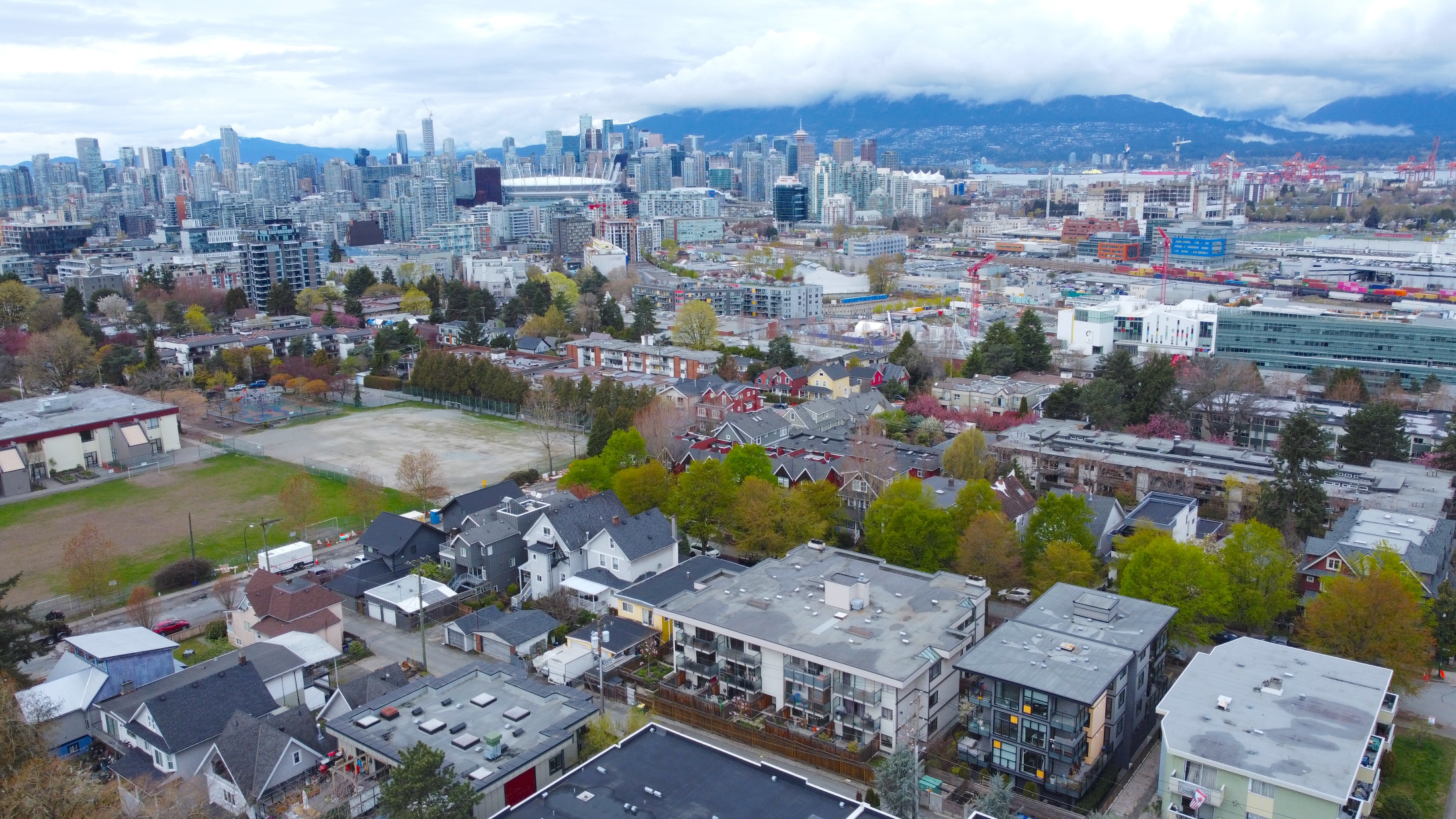
Welcome to this beautiful 2 bedroom condo in the heart of Mount Pleasant! This stylish North West CORNER suite boasts updates throughout including wide plank engineered hardwood floors in the main living area & both bedrooms. Kitchen features white shaker style cabinets, gold hardware, stainless steel appliances & tiled backsplash. Separate dining area off the kitchen is perfect for entertaining with a built in hutch plus room for a large table perfect for entertaining and a large window for added natural light. Bright living room has two sided wood burning fireplace & slider access to large balcony overlooking the quiet tree lined street. 2 large bedrooms & an updated spa like bathroom complete this lovely home. Well maintained building with many upgrades include parkade membrane (2019) & water pipe replacement (2014). Desirable neighbourhood walking distance to all the shops & restaurants Main Street & Mount Pleasant has to offer!!

Read

Open House. Open House on Saturday, April 13, 2024 2:00PM - 4:00PM

Please visit our Open House at 203 550 7TH AVE E in Vancouver. See details here

Open House on Saturday, April 13, 2024 2:00PM - 4:00PM

Welcome to this beautiful 2 bedroom condo in the heart of Mount Pleasant! This stylish North West CORNER suite boasts updates throughout including wide plank engineered hardwood floors in the main living area & both bedrooms. Kitchen features white shaker style cabinets, gold hardware, stainless steel appliances & tiled backsplash. Separate dining area off the kitchen is perfect for entertaining with a built in hutch plus room for a large table perfect for entertaining and a large window for added natural light. Bright living room has two sided wood burning fireplace & slider access to large balcony overlooking the quiet tree lined street. 2 large bedrooms & an updated spa like bathroom complete this lovely home. Well maintained building with many upgrades include parkade membrane (2019) & water pipe replacement (2014). Desirable neighbourhood walking distance to all the shops & restaurants Main Street & Mount Pleasant has to offer!!

Read

Tamara White: Bill 44 is an important driver in delivering the homes that people want, need and deserve

Opinion: Concerns about meteoric and unsustainable population increase presume that every single-family home will be swiftly replaced by a fourplex or larger. It's crucial to ground discussions in feasible timelines and acknowledge the gradual nature of such transformations.

Author of the article:

Tamara White

Published Feb 12, 2024  •  Last updated Feb 12, 2024  •  3 minute read

Housing legislation in British Columbia is the proverbial bus stop of policy making — you wait forever for meaningful change and, suddenly, several groundbreaking bills roll in all at once.

Since November, the province has passed a series of legislative actions that will open the doors for much needed attainable housing opportunities in communities across B.C. This includes Bill 44, which seeks to make it easier for people and home builders to create small-scale, multi-unit homes that fit into existing neighbourhoods.

Dire situations call for a strong policy response, and that is what we are seeing in the introduction of Bill 44, as the province continues to address the generational housing crisis in which we find ourselves. Nearly 250,000 of the more than 660,000 rental households in this province spend at least 30 per cent of total household income on rent and utilities, and within that group more than 100,000 spend at least half of their income on housing.

The introduction of new housing legislation signifies a crucial acknowledgment. It underscores that, despite years of urban planning and community consultations, local governments may have fallen short in fostering the diversity of housing options required.

We know that we’re in a major housing supply shortage — with CMHC outlining the need for 3.5 million additional homes “on-top-of” business-as-usual construction by 2030, and a more recent report by CIBC’s deputy-chief economist Benjamin Tal noting that, with population growth projections, it may actually be an additional five million homes needed.

Rather than viewing the province’s housing initiatives as discarding past urban planning efforts, let’s see it as an opportunity to recalibrate and align goals with the evolving needs of our communities, including our growing populations. The legislation acts as a pivot towards a more sustainable and equitable approach, ensuring that the foundation laid by urban planning efforts adequately addresses the pressing challenges of housing accessibility and affordability.

In the midst of diverse perspectives on this housing legislation, it becomes essential for all of us, as engaged members of the public, to ensure our understanding is as nuanced as the issues at hand, fostering a more informed discourse that transcends misinterpretations of what Bill 44 means for communities.

Contrary to some concerns raised about Bill 44, it is important to clarify that the legislation does not eliminate public hearings wholesale; public hearings are still required for Official Community Plan (OCP) amendments and rezonings that are not consistent with an OCP that has already gone through public approval.

Additionally, while the bill is perceived as prohibiting municipalities from requiring off-street parking for various housing types, it’s important to note that Bill 44 allows for such requirements, with the exception of sites within a specified distance from frequently served bus stops. This distinction ensures flexibility while addressing the unique needs of different communities, acknowledging that not all areas are well-served by public transportation.

The related concerns in select communities about meteoric and unsustainable population increase seem to stem from a misinterpretation, presuming that every single-family home will be swiftly replaced by a fourplex or larger. This is simply not the case. The government has estimated that this legislation could yield as many as 130,000 new small-scale multi-unit homes across the province during the next 10 years. It’s crucial to ground discussions in feasible timelines and acknowledge the gradual nature of such transformations.

This legislation is an important driver in delivering the homes that people want, need and deserve. Smaller format homes — like townhomes, duplexes, and triplexes, and laneway homes — nestle comfortably in existing neighbourhoods, and provide housing opportunities and choice for modest income households. This kind of housing can enable seniors to downsize and age in community, families to live closer to one another, and young couples to access starter homes. It will also help the people like teachers and firefighters to live in the communities where they serve.

We’ve long advocated for small-scale, multi-unit housing as one solution to the affordability crisis. Progress often brings its own set of challenges — and in the case of housing legislation, navigating these hurdles is a crucial step towards a more equitable and sustainable future. While Bill 44 is certainly not the whole solution, it is an important piece of the puzzle and a step in the right direction.

Tamara White is the executive director of Small Housing (smallhousingbc.org).

Read

New Property Transfer Tax exemptions for first-time buyers and new homes in BC

New Property Transfer Tax exemptions for first-time buyers and new homes in BC

Written by: Kenneth Chan - Daily Hive

In an effort to improve housing affordability, three major changes are being made to the Government of British Columbia’s Property Transfer Tax (PTT) framework


More specifically, as part of the 2024 provincial budget, three exemption changes are being introduced to the PTT.


Firstly, the threshold to be eligible for the first-time homebuyers’ exemption will be increased from a fair market value of $500,000 to $835,000, with the first $500,000 exempt from the tax. The phase-out range for the complete elimination of the exemption will be $860,000, while properties with a fair market value under $500,000 will be completely exempt. These changes will start on April 1, 2024.


It is estimated these changes for first-time homebuyers will benefit about 14,500 people — twice as many as before — with total savings up to $8,000 from buying their home.


Secondly, the newly built home exemption for purchasers who buy a new home for their principal residence will grow from $750,000 to $1.1 million on the fair market value. Homes with a fair market value between $1.1 million and $1.15 million will see a phase-out range of the exemption. This exemption change will also start on April 1, 2024.


Thirdly, a brand-new PTT exemption will be created for purchases of new qualifying secured purpose-built rental housing buildings, with such buildings required to contain at least four apartment units, be non-stratified, and be used as rentals for at least 10 years, and the residential uses of the building must be entirely used for rental purposes. This specific PTT exemption will apply to transactions for such buildings between January 1, 2025, and December 30, 2030. With home ownership out of reach for many given the elevated home prices, such a policy will help catalyze more “missing middle” rental housing.


The provincial government anticipates these various exemptions will reduce transaction costs by over $100 million per year.


“Because even with a good job and steady savings, it’s tough to put together a down payment these days. As a result, there’s more pressure on the housing market with people renting for longer,” said BC Minister of Finance Katrine Conroy during today’s budget speech.


“As a result, there’s more pressure on the housing market with people renting for longer. But as most people will tell you, every little bit helps. The First-Time Homebuyer Program was designed to provide that financial boost. But the program no longer reflects the realities of today’s housing market.”


According to the provincial government, most first-time homebuyers are under the age of 35, with the increase in threshold expected to mainly benefit individuals buying in urban areas.


Even with the changes, property transfer tax growth is expected to rise by an average of 8.6% annually over the next two fiscal years.

Read

BC Government Announces New Housing Measure in 2024 Budget
BCREA Logo


BC Government Announces New Housing Measures in 2024 Budget 

February 22, 2024 - Source: BCREA


This afternoon, Finance Minister Katrine Conroy introduced the provincial government’s Budget 2024. The budget unveiled several new housing related measures, including the BC Home Flipping Tax and various property transfer tax exemptions.


While BCREA commends the provincial government’s renewed commitment and efforts to improve housing attainability for British Columbians, the budget’s introduction of a “flipping tax” is unlikely to have a meaningful impact on housing attainability.  


Flipping Tax 


The BC Home Flipping Tax is a 20 per cent tax on the gain from sale of a home within a one-year time horizon and a pro-rated tax on sales up to within a two-year period. The tax will apply to both properties and assignments of contracts and is in addition to any existing federal or provincial income taxes incurred from the sale of the property, including the federal anti-flipping tax. Exemptions will be available for certain life circumstances that might motivate the sale of a property within two years, including for added supply through the creation of rental accessory dwelling units. 


The BCREA Economics Department’s preliminary analysis estimates the flipping tax will decrease home sales by between 1-2 per cent over a three-year period. Given the relatively small impact, prices and housing attainability are essentially unchanged by the tax. This is unsurprising, given that short-term flipping represents a low share of sales activity (less than 2 per cent in both Vancouver and Victoria). 


However, because the government has now implemented a disincentive to sell within a two-year period after purchasing, there will be some potential sellers that are prompted to delay listing, resulting in a lower level of listings inventory than without the tax. As a result, home prices may increase with the flipping tax compared to a no-tax baseline. Ultimately, the only way to prevent harmful short-term speculation in the housing market is to ensure housing is abundant. Our team plans to continue to analyze the flipping tax and provide updates when available. 


Property Transfer Tax Exemptions 


In principle, BCREA supports reduced property transfer taxes for first-time home buyers and people purchasing newly constructed homes. However, while we're in favour of measures that increase first-time home buyers’ abilities to purchase properties, it's critically important that housing supply is increased so they aren’t caught in bidding wars to acquire those homes. More detail is needed on property transfer tax exemption for purpose-built rentals to understand its impact on housing attainability for British Columbians. 


BCREA will continue to advocate for more thoughtful and evidence-based policies that can genuinely move the needle on housing attainability and alleviate the housing crisis facing British Columbians. 
 

In early March, BCREA and delegates from real estate boards across the province will be taking part in our annual Government Liaison (GL) Days in Victoria. During this time, we will be meeting with MLA’s representing all parties and advocating for the establishment of a permanent housing roundtable where stakeholders such as BCREA can advise on housing policy prior to its introduction and implementation. Stay tuned to BCREA channels for more details about GL Days. 


If you have any questions or comments, please email gr@bcrea.bc.ca. 

 
Sincerely,  

Trevor Hargreaves 
Senior VP, Government Relations, Marketing & Communications


Read

Port Moody is a great place to live


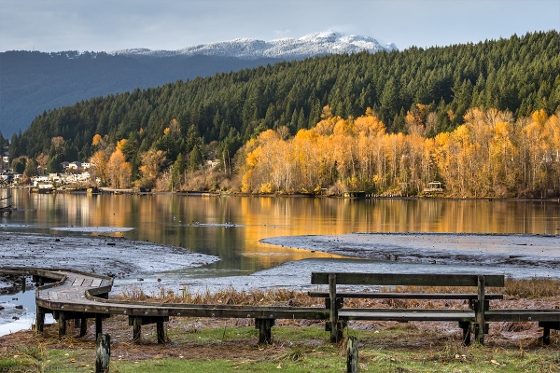
Port Moody is a charming city located in Metro Vancouver, British Columbia, Canada. Known for its scenic waterfront, historic downtown, and outdoor recreational opportunities.

Port Moody offers a lifestyle that embraces the best of both urban and natural worlds.


Here are some key features of Port Moody:

  1. Seaside Charm:

    • Port Moody's waterfront location along the Burrard Inlet gives the city a unique and picturesque charm. Residents and visitors can enjoy breathtaking views of the water, mountains, and surrounding greenery.

  2. Historic Downtown:

    • The historic downtown area of Port Moody is a focal point of the city, characterized by heritage buildings, boutique shops, and a variety of dining options. The streets are lined with a mix of local businesses and establishments that contribute to the city's character.

  3. Rocky Point Park:

    • One of the highlights of Port Moody is Rocky Point Park, a scenic waterfront park offering a perfect blend of recreation and relaxation. The park features walking trails, a pier, a playground, and picnic areas. It's a popular spot for families, joggers, and those seeking a peaceful escape by the water.

  4. Outdoor Recreation:

    • Port Moody is renowned for its commitment to green spaces and outdoor activities. In addition to Rocky Point Park, the city provides residents with numerous parks, trails, and recreational areas. Buntzen Lake and Sasamat Lake, located nearby, offer additional options for outdoor enthusiasts.

  5. Transportation Hub:

    • The city serves as a transportation hub, providing convenient access to public transit options. The West Coast Express commuter train connects Port Moody to downtown Vancouver, making it a desirable location for commuters. The Evergreen Line SkyTrain further enhances accessibility.

  6. Arts and Culture:

    • Port Moody embraces arts and culture, evident in events, festivals, and community gatherings. The city hosts various cultural activities throughout the year, contributing to a vibrant and engaged community. The Terry Fox Theatre is a cultural hub, featuring performances and events.

  7. Residential Appeal:

    • Port Moody has attracted residents seeking a mix of small-town charm and urban conveniences. The diverse housing options include a blend of heritage homes, modern developments, and waterfront properties.

  8. Craft Breweries and Dining:

    • The city has become known for its craft breweries, adding to its appeal as a destination for those who enjoy unique and locally crafted beverages. The dining scene in Port Moody includes a variety of restaurants offering diverse cuisines.

  1. Brewery Row:

    • Port Moody has earned the nickname "Brewery Row" due to the concentration of craft breweries in the area. These breweries offer a diverse range of locally brewed beers, creating a vibrant craft beer scene. Residents and visitors can explore tasting rooms, enjoy unique brews, and take part in brewery events.

  2. Community Events:

    • Port Moody hosts a variety of community events throughout the year, fostering a strong sense of community engagement. Festivals, markets, and cultural celebrations bring residents together and contribute to the city's lively atmosphere.

  3. Schools and Education:

    • The city is served by several schools, providing educational options for families. Port Moody places importance on education, contributing to the appeal for families looking for a supportive and well-rounded community.

  4. Real Estate Diversity:

    • Port Moody offers a diverse real estate landscape, ranging from waterfront properties to modern condominiums and family homes. The mix of housing options caters to different preferences and lifestyles, making it an inclusive community.

  5. Evergreen Cultural Centre:

    • The Evergreen Cultural Centre is a prominent cultural institution in Port Moody, featuring a range of artistic performances, exhibitions, and educational programs. It adds to the cultural vibrancy of the city, providing residents with access to diverse artistic experiences.

  6. Sustainability Initiatives:

    • Port Moody has been proactive in implementing sustainability initiatives. The city has focused on environmental conservation, promoting green spaces, and encouraging eco-friendly practices. This commitment aligns with the values of residents who appreciate a sustainable and environmentally conscious community.

  7. Gateway to Outdoor Exploration:

    • Beyond the city limits, Port Moody serves as a gateway to outdoor exploration. The nearby mountains, hiking trails, and lakes provide opportunities for outdoor enthusiasts to enjoy activities such as hiking, biking, and water sports.

  8. Harmony of Urban and Natural:

    • Port Moody excels in achieving a harmonious blend of urban living and natural beauty. Residents can experience the conveniences of modern life while being surrounded by lush greenery, waterfront views, and a tranquil atmosphere.

  9. Future Development:

    • The city continues to experience growth and development, with plans for enhancing infrastructure, public spaces, and community facilities. This forward-looking approach contributes to Port Moody's status as a thriving and evolving community.

In essence, Port Moody offers a lifestyle that seamlessly integrates the beauty of its natural surroundings with a vibrant urban atmosphere. The city's commitment to culture, sustainability, and community engagement, coupled with its picturesque setting, makes it an appealing and dynamic place to call home within the Greater Vancouver region.

Read

A brief overview of the Tri-Cities


The Tri-Cities is a term commonly used to refer to a group of three neighboring cities in the Greater Vancouver area of British Columbia, Canada. The Tri-Cities include the cities of Coquitlam, Port Coquitlam, and Port Moody. Here's a brief overview of each city:

  1. Coquitlam:

    • Location: Coquitlam is the largest of the Tri-Cities and is situated east of Vancouver.

    • Features: It offers a mix of urban and suburban living, with a variety of parks, recreational facilities, and shopping centers. Coquitlam Centre is a major shopping destination in the region.

    • Nature: Coquitlam is known for its natural beauty, including parks like Mundy Park and Minnekhada Regional Park. The city also has a portion of the Coquitlam Crunch trail, a popular outdoor recreational area.

  2. Port Coquitlam:

    • Location: Port Coquitlam is located to the east of Coquitlam.

    • Features: It is a family-oriented community with a mix of residential neighborhoods, parks, and local businesses. The city has a vibrant arts and cultural scene, with events and festivals throughout the year.

    • Recreation: Port Coquitlam offers recreational amenities, including trails along the Pitt River, Gates Park, and the Terry Fox Library.

  3. Port Moody:

    • Location: Port Moody is the smallest of the Tri-Cities and is located west of Coquitlam.

    • Features: Known for its charming seaside atmosphere, Port Moody has a historic downtown area, Rocky Point Park with waterfront trails, and popular breweries. The city has a mix of heritage homes and modern developments.

    • Transportation: Port Moody is a transportation hub with access to the West Coast Express commuter train and the Evergreen Line SkyTrain, providing convenient transit options to Vancouver and other areas.

The Tri-Cities are collectively known for their family-friendly communities, outdoor recreational opportunities, and proximity to both urban amenities and natural landscapes. The area has seen growth and development over the years, attracting residents who appreciate a balance between suburban living and access to various amenities and services. Each city within the Tri-Cities has its unique character, contributing to the overall appeal of the region.

Read

What will home sales look like in 2024

What will home sales look like in the first half of 2024?

Thursday, January 11, 2024 Economic forecast 


Under the hood, 2024 is poised to be a growth year for the residential market across the Real Estate Board of Greater Vancouver’s areas.


Fundamental factors that drive our market, such as household formation, population growth, and employment growth remain fairly strong despite continued concerns of potentially slower economic growth ahead.


With that said, a key ingredient that drives market participation, which many had become accustomed to over the past ten years or so, is still notably lacking at the time of publication: ultra-low mortgage rates.


While inflation no longer looms as the immediate threat it was in early 2023, core measures of inflation have been declining too slowly for the Bank of Canada to consider aggressively lowering their policy rate in the short-term.


What does this mean for the market in the first half of 2024? Check our forecast to find out.


Key highlights Economic growth and interest rates: Despite concerns about potential slower economic growth, fundamental factors such as household formation, population growth, and employment remain strong. However, the absence of ultra-low interest rates, due to slower-than-expected inflation decline, is a key factor influencing market participation.


Borrowing costs and sales: Interest rates are the primary wildcard for sales activity in 2024, and our forecast analyzes a few plausible scenarios.


Housing affordability: Even with elevated borrowing costs, we anticipate continued price escalation in 2024, driven by near-record-low inventory levels.


Source: REBGV

Read

Douglas Todd: Why so many Canadians are moving out of Vancouver, the province and the country

Opinion: High housing costs and a stagnant economy are causing a large number of Canadians to "vote with their feet," says economist. 


Vernon mayor Vernon Mayor Victor Cumming is a witness to one big migration trend — the large number of young families escaping Metro Vancouver. Meanwhile, many other people are also moving out of B.C. to other provinces — and from Canada to other countries.


PHOTO BY JOSH WINQUIST


Vernon Mayor Victor Cumming is highly aware that a lot of British Columbians are on the move.

Lorraine Complains: Save $120 a year on that sticker? Be careful what you vote for He’s getting to know the young parents who come to his mid-sized Okanagan city from Metro Vancouver to escape extreme housing costs and to stretch their money further while enjoying easy access to outdoor recreation.

They get a much higher quality of life for much less money,” Cumming said, noting many new families show up in the school system when their children are ready to enter Grades 3 and 4.


Last year, 635 people from Metro set up a new home in Vernon, population 69,000.

But the intra-provincial shift away to places like Vernon, Courtenay and Kamloops from B.C.’s biggest cities is just one migration trend. A large number of people are now also moving out of B.C. to other provinces — and from Canada to other countries.


For two decades a confident B.C. has been used to attracting more people than it loses to other provinces. But over the last year more British Columbians — about 8,000 — have left the province for other parts of Canada than have arrived from within it. They’re seemingly doing so to escape a drab economy and the cost of housing.

Meanwhile, at the national level, about 35,600 people have left Canada altogether.

That’s the disturbing counterpoint to Canada’s main narrative, which is that the country is undergoing a population boom because an unprecedented number of foreign nationals have been invited to the country.


The Liberal government boasts that bringing in a record 1.25 million permanent and temporary residents in one year is the key to prosperity for all. Many Canadian economists, however, believe it’s actually masking stagnation.


For every action there is a reaction. And one of the responses to record population growth, 98 per cent of which is fuelled by international migration, is that “people vote with their feet,” says David Williams, economist for the Business Council of B.C., which represents 250 large-scale businesses.

Canada and B.C., Williams says, risk losing some of their best and brightest people to other places because the standard of living is flat or declining.


Williams believes Ottawa’s immigration policies have become “disconnected from the academic evidence.” Federal politicians act as if having by far the highest migration rate of any advanced nation is a panacea for the country’s economic malaise.


But the reality is that Canada has one of the weakest overall economies in the OECD, a club of 38 mostly rich nations, says Williams.


Canada had the third weakest economy in the OECD in the five years before COVID-19. And it has had the fifth weakest economy since the pandemic in terms of growth in GDP per capita, a crucial measure of real incomes that he says “reflects people’s share of the economic pie.”


Worse yet, the OECD projects Canada’s growth in GDP per capita will be the lowest among all its member countries over the next four decades.


“We’re right at the back of the pack,” Williams says.


“You don’t need to be an economist,” he says, to recognize living standards are going sideways or down for a lot of people.


“Canadians have figured out for themselves that the economy isn’t performing very well. They’ve seen that in their personal lives, when they try to buy groceries, pay their rent, pay their mortgage, pay all their taxes and queue up for health care.”


Williams suggests politicians’ persistent failure to deliver rising real incomes “risks losing thousands of aspirational, skilled Canadians to, for example, the U.S. where productivity is higher, market wages are higher and income taxes are lower.”


As the mayor of Vernon has witnessed, while new permanent and temporary migrants to Canada concentrate on gateway cities like Toronto, Montreal and Vancouver, contributing to higher residential land costs, many big-city Canadians are saying goodbye to family members and friends. They’re migrating to smaller, less congested places where the cost of housing is more affordable.


Since 2017, roughly 10,000 to 12,000 more British Columbians a year have been leaving Greater Vancouver than moving into it. They’re setting up homes on Vancouver Island and the Thompson-Okanagan.


Statistics Canada data shows Courtenay, for instance, took in 618 new residents from Metro in one recent year, far more than the other way around. And Kamloops embraced 1,046 newcomers from Metro, most of them under age 65.


Williams spells out how the high-migration policy of Ottawa, which is without parallel around the world, is a major factor behind why so many are moving out of Canada, its biggest provinces (such as Ontario and B.C.) and its largest metropolises.


Prime Minister Justin Trudeau, he said, is now bringing in enough new people to create a new province of B.C. every 4 1/2 years. And the Liberals are acting as if their plan to mushroom the population by 3.2 per cent a year — which is six times the average intake since the Second World War — is an “unambiguous good,” Williams said.


“But Ottawa’s immigration policy has really become disconnected from the academic evidence. There seems to be a view in the federal government that you can pull the immigration policy lever and an embarrassment of riches comes your way. That it’s a panacea for all our economic woes. And it’s simply not.”


Virtually every scholarly study shows that immigration levels “have a neutral or very small overall impact on a standard of living,” Williams says, as they don’t materially alter productivity, real wages, employment rates or fertility trends. He cites a host of labour-market economists who have said as much, including Mikal Skuterud and Matthew Doyle of Ontario’s University of Waterloo; Christopher Worswick and Frances Woolley of Carleton in Ontario; and David Green and Craig Riddell of the University of B.C.


Williams believes Canada’s federal politicians are motivated to bring in a record number of immigrants, foreign students and other guest workers to “juice” GDP growth. And all those bodies do provide more consumers of goods, services and housing. But there’s no evidence that faster population growth raises GDP per capita, which is the best measure of living standards.


In other words, the highest migration rate in the Western world isn’t necessarily helping most Canadian families get ahead. So more than a few are pulling up stakes to find somewhere more attractive to prosper.


dtodd@postmedia.com

Read
Categories:   Abbotsford East Real Estate | Albion Real Estate | Aldergrove Langley Real Estate | Aldergrove Langley, Langley Real Estate | Anmore Real Estate | Anmore, Port Moody Real Estate | Barber Street Real Estate | Barber Street, Port Moody Real Estate | Birchland Manor Real Estate | Birchland Manor, Port Coquitlam Real Estate | Boundary Beach Real Estate | Brennan Center Real Estate | Brentwood Park Real Estate | Brentwood Park, Burnaby North Real Estate | Brighouse Real Estate | Brighouse, Richmond Real Estate | Burke Mountain Real Estate | Burke Mountain, Coquitlam Real Estate | Burnaby Hospital Real Estate | Burnaby Hospital, Burnaby South Real Estate | Burnaby North Real Estate | Canyon Springs Real Estate | Canyon Springs, Coquitlam Real Estate | Cape Horn Real Estate | Cape Horn, Coquitlam Real Estate | Capitol Hill BN Real Estate | Capitol Hill BN, Burnaby North Real Estate | Cariboo Real Estate | Central Abbotsford, Abbotsford Real Estate | Central BN, Burnaby North Real Estate | Central Coquitlam Real Estate | Central Coquitlam, Coquitlam Real Estate | Central Lonsdale Real Estate | Central Lonsdale, North Vancouver Real Estate | Central Meadows Real Estate | Central Meadows, Pitt Meadows Real Estate | Central Park BS, Burnaby South Real Estate | Central Pt Coquitlam Real Estate | Central Pt Coquitlam, Port Coquitlam Real Estate | Champlain Heights Real Estate | Champlain Heights, Vancouver East Real Estate | Chilliwack Proper East, Chilliwack Real Estate | Chineside Real Estate | Citadel PQ Real Estate | Citadel PQ, Port Coquitlam Real Estate | Clayton Real Estate | Cloverdale BC, Cloverdale Real Estate | College Park PM Real Estate | College Park PM, Port Moody Real Estate | Collingwood VE Real Estate | Collingwood VE, Vancouver East Real Estate | Coquitlam East Real Estate | Coquitlam East, Coquitlam Real Estate | Coquitlam Real Estate | Coquitlam West Real Estate | Coquitlam West, Coquitlam Real Estate | Cottonwood MR Real Estate | Cottonwood MR, Maple Ridge Real Estate | Cultus Lake East Real Estate | Downtown NW Real Estate | Downtown NW, New Westminster Real Estate | Downtown VE Real Estate | Downtown VE, Vancouver East Real Estate | Eagle Ridge CQ Real Estate | Eagle Ridge CQ, Coquitlam Real Estate | East Burnaby, Burnaby East Real Estate | East Central Real Estate | East Central, Maple Ridge Real Estate | East Newton, Surrey Real Estate | Eastern Hillsides Real Estate | Edmonds BE Real Estate | Edmonds BE, Burnaby East Real Estate | Fairview VW Real Estate | Fairview VW, Vancouver West Real Estate | False Creek, Vancouver West Real Estate | Fleetwood Tynehead Real Estate | Fleetwood Tynehead, Surrey Real Estate | Forest Glen BS, Burnaby South Real Estate | Forest Hills BN Real Estate | Forest Hills BN, Burnaby North Real Estate | Fort Nelson -Town Real Estate | Fraser Heights, North Surrey Real Estate | Fraser VE Real Estate | Fraser VE, Vancouver East Real Estate | Fraserview NW Real Estate | Fraserview NW, New Westminster Real Estate | Fraserview VE, Vancouver East Real Estate | GlenBrooke North Real Estate | GlenBrooke North, New Westminster Real Estate | Glenwood PQ Real Estate | Glenwood PQ, Port Coquitlam Real Estate | Government Road Real Estate | Government Road, Burnaby North Real Estate | Grandview Woodland Real Estate | Grandview Woodland, Vancouver East Real Estate | Greentree Village, Burnaby South Real Estate | Harbour Place, Coquitlam Real Estate | Hastings Real Estate | Hastings Sunrise Real Estate | Hastings, Vancouver East Real Estate | Hatzic Real Estate | Hawthorne, Ladner Real Estate | Heritage Mountain Real Estate | Heritage Mountain, Port Moody Real Estate | Heritage Woods PM Real Estate | Heritage Woods PM, Port Moody Real Estate | Highgate Real Estate | Highgate, Burnaby South Real Estate | Kerrisdale, Vancouver West Real Estate | Killarney VE Real Estate | Killarney VE, Vancouver East Real Estate | King George Corridor Real Estate | King George Corridor, South Surrey White Rock Real Estate | Kitsilano Real Estate | Kitsilano, Vancouver West Real Estate | Langley City Real Estate | Langley City, Langley Real Estate | Lincoln Park PQ Real Estate | Lincoln Park PQ, Port Coquitlam Real Estate | Lower Lonsdale Real Estate | Lower Lonsdale, North Vancouver Real Estate | Lower Mary Hill, Port Coquitlam Real Estate | Lynn Valley, North Vancouver Real Estate | Maillardville Real Estate | Maillardville, Coquitlam Real Estate | Main Real Estate | Main, Vancouver East Real Estate | Mary Hill Real Estate | Mary Hill, Port Coquitlam Real Estate | Metrotown Real Estate | Metrotown, Burnaby South Real Estate | Mid Meadows Real Estate | Mid Meadows, Pitt Meadows Real Estate | Mission BC Real Estate | Montecito Real Estate | Montecito, Burnaby North Real Estate | Moody Park, New Westminster Real Estate | Mount Pleasant VE Real Estate | Mount Pleasant VE, Vancouver East Real Estate | Mountain Meadows Real Estate | New Horizons Real Estate | New Horizons, Coquitlam Real Estate | Norgate Real Estate | North Coquitlam Real Estate | North Coquitlam, Coquitlam Real Estate | North Meadows PI, Pitt Meadows Real Estate | North Shore Pt Moody Real Estate | North Shore Pt Moody, Port Moody Real Estate | Northlands Real Estate | Northwest Maple Ridge Real Estate | Northwest Maple Ridge, Maple Ridge Real Estate | Oakdale Real Estate | Oaklands, Burnaby South Real Estate | Oxford Heights Real Estate | Panorama Ridge, Surrey Real Estate | Parkcrest Real Estate | Pebble Hill, Tsawwassen Real Estate | Pender Harbour Egmont Real Estate | Point Grey, Vancouver West Real Estate | Poplar Real Estate | Port Moody Centre Real Estate | Port Moody Centre, Port Moody Real Estate | Promontory Real Estate | Quay Real Estate | Quay, New Westminster Real Estate | Queen Mary Park Surrey Real Estate | Queen Mary Park Surrey, Surrey Real Estate | Queensborough, New Westminster Real Estate | Ranch Park Real Estate | Ranch Park, Coquitlam Real Estate | Renfrew VE Real Estate | Renfrew VE, Vancouver East Real Estate | River Springs Real Estate | River Springs, Coquitlam Real Estate | Riverwood Real Estate | Riverwood, Port Coquitlam Real Estate | Sapperton Real Estate | Sapperton, New Westminster Real Estate | Sardis South Real Estate | Scott Creek Real Estate | Scottsdale Real Estate | Silver Valley, Maple Ridge Real Estate | Simon Fraser Hills Real Estate | Simon Fraser Hills, Burnaby North Real Estate | Simon Fraser Univer. Real Estate | Simon Fraser Univer., Burnaby North Real Estate | South Marine, Vancouver East Real Estate | South Meadows Real Estate | South Meadows, Pitt Meadows Real Estate | South Slope Real Estate | Southwest Maple Ridge Real Estate | Sperling-Duthie Real Estate | Sperling-Duthie, Burnaby North Real Estate | Sullivan Heights Real Estate | Sullivan Heights, Burnaby North Real Estate | Sullivan Station, Surrey Real Estate | Summitt View, Coquitlam Real Estate | Sunnyside Park Surrey, South Surrey White Rock Real Estate | The Crest Real Estate | The Crest, Burnaby East Real Estate | The Heights NW, New Westminster Real Estate | Upper Eagle Ridge Real Estate | Upper Eagle Ridge, Coquitlam Real Estate | Uptown NW Real Estate | Uptown NW, New Westminster Real Estate | Vancouver Heights Real Estate | Vancouver Heights, Burnaby North Real Estate | Victoria VE, Vancouver East Real Estate | Walnut Grove Real Estate | Walnut Grove, Langley Real Estate | Websters Corners Real Estate | West Central Real Estate | West Central, Maple Ridge Real Estate | West End VW, Vancouver West Real Estate | West Newton, Surrey Real Estate | Westlynn, North Vancouver Real Estate | Westwood Plateau Real Estate | Westwood Plateau, Coquitlam Real Estate | Whalley Real Estate | Whalley, North Surrey Real Estate | White Rock Real Estate | White Rock, South Surrey White Rock Real Estate | Willingdon Heights Real Estate | Willoughby Heights Real Estate | Willoughby Heights, Langley Real Estate | Woodland Acres PQ Real Estate | Woodland Acres PQ, Port Coquitlam Real Estate | Yaletown Real Estate
Reciprocity Logo The data relating to real estate on this website comes in part from the MLS® Reciprocity program of either the Greater Vancouver REALTORS® (GVR), the Fraser Valley Real Estate Board (FVREB) or the Chilliwack and District Real Estate Board (CADREB). Real estate listings held by participating real estate firms are marked with the MLS® logo and detailed information about the listing includes the name of the listing agent. This representation is based in whole or part on data generated by either the GVR, the FVREB or the CADREB which assumes no responsibility for its accuracy. The materials contained on this page may not be reproduced without the express written consent of either the GVR, the FVREB or the CADREB.